US Intelligence Director Warns of Mass Killings in Sudan
February 2, 2010 by Mark Christopher
Filed under Genocide, Politics, Sudan
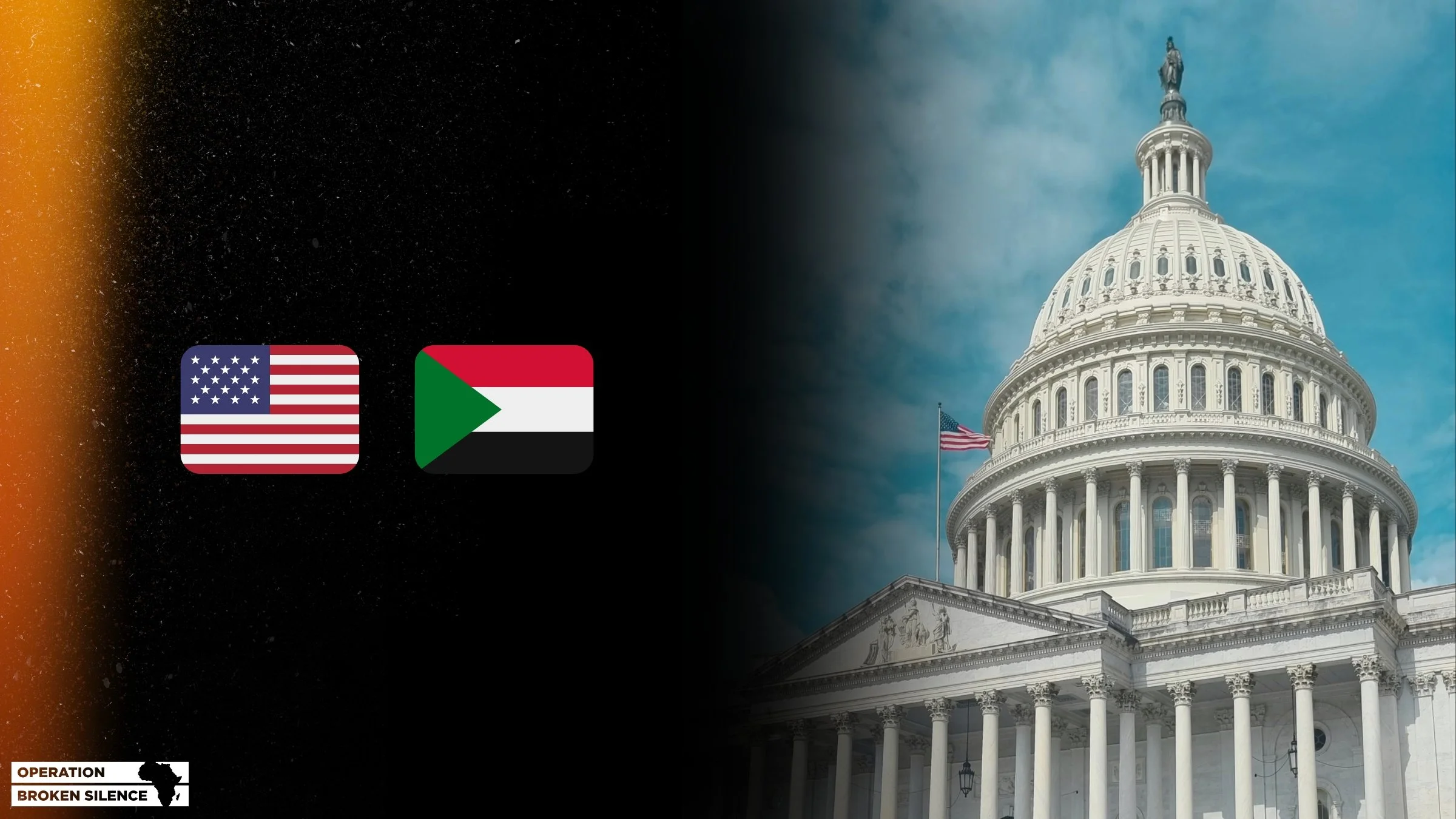
PHOTO: US Intelligence Director Dennis Blair prepares to testify before the Senate (Select) Intelligence Community on Capitol Hill. (Army Base)
US Director of National Intelligence Dennis Blair warned of impending mass murder and genocide facing Africa over the next 5 years as a myriad of issues continue to threaten stability in many regions of the continent. In his “Annual Threat Assessment of the US Intelligence Community for the Senate Select Committee on Intelligence” presented today, Director Blair states:
“The mass killing of civilians—defined as the deliberate killing of at least 1000 unarmed civilians of a particular political identity by state or state-sponsored actors in a single event or over a sustained period—is a persistent feature of the global landscape. Within the past three years, the Democratic Republic of the Congo (DRC), and Sudan all suffered mass killing episodes through violence, starvation, or deaths in prison camps…
The risk for mass killing is driven by the presence of ongoing internal conflict or regime crises, combined with relatively poor socioeconomic conditions, international isolation, recent protest activity, discriminatory policies, or frequent leadership turnover. In such contexts, mass killings are typically deliberate strategies by new or threatened elites to assert state or rebel authority, to clear territory of insurgents, or to deter populations from supporting rebels or anti- government movements.
Looking ahead over the next five years, a number of countries in Africa and Asia are at significant risk for a new outbreak of mass killing. All of the countries at significant risk have or are at high risk for experiencing internal conflicts or regime crises and exhibit one or more of the additional risk factors for mass killing. Among these countries, a new mass killing or genocide is most likely to occur in Southern Sudan.“
Catastrophe Looms as Sudan Approaches Elections and Independence Referendum
With US involvement in Sudan at an all time high, another catastrophic genocide remains a real threat to the nation as a whole. Speaking specifically on the crisis in Sudan in the detailed report, Mr. Blair writes:
“The 2005 Comprehensive Peace Agreement (CPA) brought a tenuous peace between northern and southern Sudan, but many observers warn that the risk of renewed conflict is rising as we approach 2011, when the south is set to vote in a referendum on southern independence. Khartoum and Juba are running out of time to resolve disputes over the north-south border— along which most of Sudan’s oil reserves lie—or to formulate a post-2011 wealth-sharing deal, which we judge are key to preserving the peace. While a renewed conflict could be limited to proxy fighting or skirmishes focused around individual oilfields, both sides’ arms purchases indicate their anticipation of more widespread conflict. Southern leaders rhetoric suggests that they are increasingly determined to secure independence in 2011—whether by referendum or unilateral declaration if they believe Khartoum will thwart a vote—but the south is poorly prepared for the post-2011 period. The southern government is spending a large amount of its revenues on military force modernization while failing to provide basic services, curb rampant corruption, or curtail escalating tribal clashes. Some international observers have suggested the south will become a failed state unless the international community assumes a significant role in development, security, and governance.
The conflict in western Sudan’s Darfur region has become less deadly but more complicated since the government began its counterinsurgency campaign against the rebels in 2003. Overall levels of violence have declined sharply since 2005, but a wide body of reporting points to a proliferation of banditry, ethnic clashes, and inter-rebel fighting. Darfur almost certainly will continue to experience sporadic bouts of fighting, especially as the government and rebels try to secure stronger negotiating positions in peace talks. Some of Darfur’s fractured rebel groups are amenable to reunification efforts led by US and UN mediators, but the two most important rebel leaders have remained intransigent as they maneuver for advantage. The number of displaced persons has climbed steadily to nearly 3 million, and any government efforts to resettle them could spark an even greater humanitarian emergency.”
The report also speaks to the reality of the humanitarian catastrophe that continues to consume easter Democratic Republic of the Congo. To read Mr. Blair’s full report, please click here.